The latest mortality data from Statistics South Africa showed that diabetes mellitus was the leading underlying natural cause of death in 2023, accounting for 27,692 deaths.
World Diabetes Day, which is on 14 November, is a global occasion for people with diabetes, healthcare professionals, advocates, policymakers and the public to unite to raise awareness of and take action on diabetes.
Early Action on Diabetes is the theme for this year’s World Diabetes Day, highlighting the importance of early diagnosis and risk reduction. Early action reduces the risk of diabetes, accelerates access to care, lowers the risk of complications and long-term costs and allows people with diabetes to live healthy lives.
Type 2 diabetes accounts for approximately 90% of all diagnosed diabetes cases in South Africa. A large number of people with Type 2 diabetes are not aware of it because the condition can develop slowly and show few early symptoms. It is sometimes only diagnosed when complications have already developed.
Type 2 usually happens when you have little or too much insulin, but the insulin is not working properly, so the glucose in your blood cannot enter the cells in your body. With Type 1, the body makes little or no insulin, so your body cannot use the food you eat for energy as insulin is a key to opening your cells and allowing the glucose in your blood to enter them and give you energy and nutrients.
Margot McCumisky, the National Manager of Diabetes South Africa, a registered non-profit and public benefit organisation, says while South African statistics are not accurate, it is estimated that approximately five million people in the country have diabetes.
McCumisky explains that there are various reasons for the very high rates of Type 2 diabetes in South Africa, including poor diets due to low income and low physical activity because of the prevalent use of taxis and buses. “Moving from rural to urban areas for work can mean changes in diet, where people often rely on fast foods or cheap processed food,” she says. “We should all be setting goals to improving our health and making positive changes in our lifestyles. If we follow healthy habits, then our children are more likely to do the same.”
She adds that up to 30% of diabetes cases can be due to genetic factors, especially Type 2. Additional risk factors for Type 2 can be polycystic ovarian syndrome.
WARNING SIGNS OF DIABETES
With both Type 1 and Type 2 diabetes, warning signs are frequent urination, excessive thirst, weight loss, increased hunger, exhaustion and blurred vision
With Type 2, symptoms can be mild and go undiagnosed for years. However, with Type 1, symptoms are similar but more severe, often with extreme weight loss, nausea and vomiting, which could lead to coma and death.
REDUCING RISK OF DEVELOPING DIABETES
If you have or have had someone in your family with diabetes, it’s advisable to get yourself tested each year.
To reduce your risk of Type 2 diabetes, it’s important to lose weight if you are overweight. Engaging in moderate daily exercise, which involves 150 minutes of exercise a week (this translates to just 30 minutes, five times a week), is also really necessary. You can engage in physical activity by going to gym, choosing to take the stairs instead of the lift, parking your car further away from the mall entrance or joining a walking, hiking or aerobics group in your area. You can also connect to online aerobics classes and exercise at home.
Having a healthier and lower carbohydrate intake along with a nutrient-rich, balanced diet is also critical to lowering Type 2 diabetes risk. A healthy diet includes (1) non-starchy vegetables, including spinach, broccoli and cauliflower (2) whole grains, including oats and brown rice (3) legumes and beans such as lentils and chickpeas (4) fruits, like apples, berries, grapes and citrus fruits (5) fatty fish, such as sardines and tuna (5) healthy fats, including avocados, walnuts and almonds as well as (6) plain yogurt.
It’s a good idea to look out for specials on these foods in stores and shop at markets, which often provide cheaper products.
You should limit or avoid cakes, white bread and carbonated drinks.
MANAGING DIABETES
Serious complications can arise if diabetes is not well managed over time. Diabetes can lead to nerve damage, especially in the feet and legs. It can also increase the risk of blindness, kidney failure, heart attacks, strokes, infections, slow wound healing, gum disease and amputations.
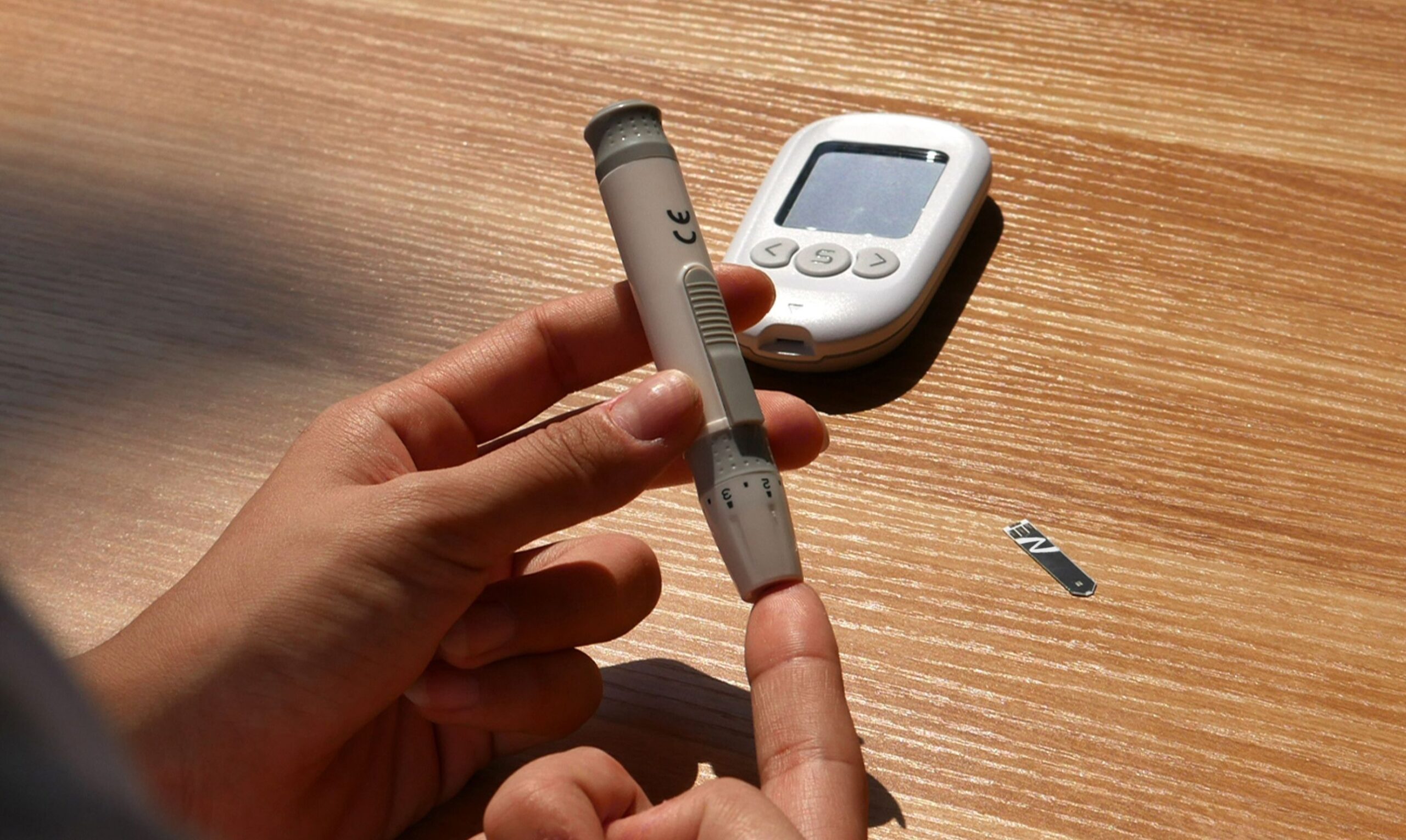
You can reduce the likelihood of developing these complications by regularly monitoring your blood glucose to keep it within target ranges, controlling your blood pressure, not smoking or drinking alcohol, engaging in moderate daily exercise, maintaining a healthy weight and taking prescribed medicines consistently.If you have Type 2 diabetes, it’s important to eat a healthy diet with the same foods that lower the risk of developing it. You should also remember not to skip meals.
Diabetes can either lead to hypoglycemia (low blood sugar) or hyperglycemia (high blood sugar). They are both life threatening if left untreated and could lead to coma and death. Speak to your healthcare provider about ways to address them.
Actress, Sophie Ndaba, who lives with Type 2 diabetes, says every day requires conscious decisions about what she eats, how she lives and trying to keep her glucose levels under control. “For me, managing diabetes is a journey of patience, consistency and taking responsibility for my well-being,” she adds. “I am still learning and doing my best to live a healthier life. We need more awareness, support and understanding because behind every diagnosis is a person fighting daily to live well.”
She adds that we must also pay attention to prediabetes because it is an important warning sign that blood sugar levels are higher than normal. Without early intervention, some people with prediabetes may progress to Type 2 diabetes.
“Know your numbers, get your blood sugar tested, take your health seriously and do not wait until you feel sick before seeking medical advice,” she says. “Let us turn awareness into action and make diabetes a conversation that saves lives.”Diabetes South Africa has a National Office in Cape Town and five branches, namely in the Western Cape, Durban, Pietermaritzburg, Pretoria and Port Elizabeth.
Soweto Sunrise News, we have positioned ourselves as a positive content publication, seeking to uplift our immediate communities and beyond. We address to a broader scale issues pertaining to immediate ordinary lives and engage our participants so that they have a platform to make their voice heard. We have employed advanced ad innovative tools so our people can be better informed.
We use technologies like cookies to store and/or access device information.
Functional
Always active
The technical storage or access is strictly necessary for the legitimate purpose of enabling the use of a specific service explicitly requested by the subscriber or user, or for the sole purpose of carrying out the transmission of a communication over an electronic communications network.
Preferences
The technical storage or access is necessary for the legitimate purpose of storing preferences that are not requested by the subscriber or user.
Statistics
The technical storage or access that is used exclusively for statistical purposes.The technical storage or access that is used exclusively for anonymous statistical purposes. Without a subpoena, voluntary compliance on the part of your Internet Service Provider, or additional records from a third party, information stored or retrieved for this purpose alone cannot usually be used to identify you.
Marketing
The technical storage or access is required to create user profiles to send advertising, or to track the user on a website or across several websites for similar marketing purposes.