





South Africa’s education system must move beyond producing qualifications and instead equip people with the skills, experience and adaptability needed to succeed in a rapidly changing economy.
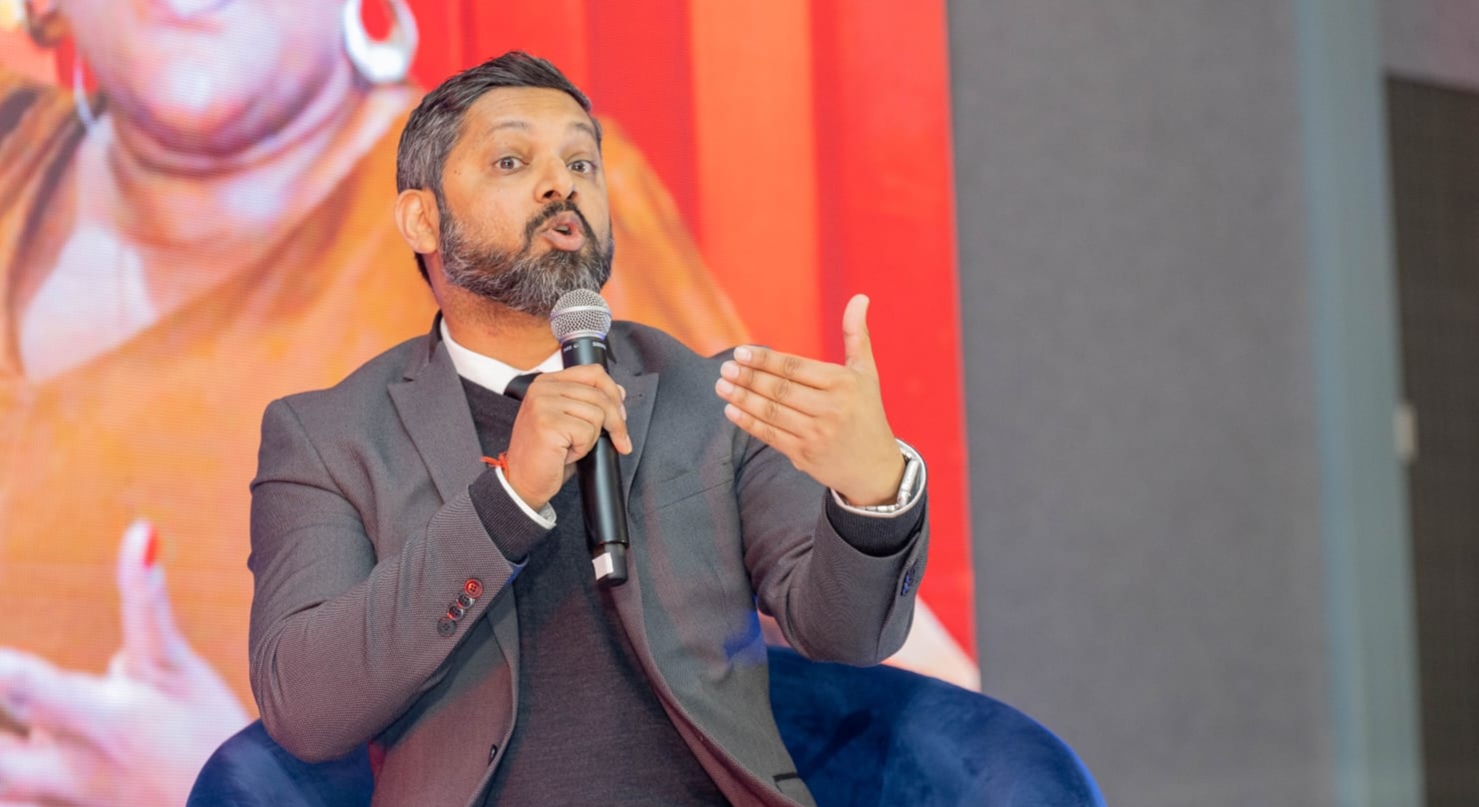
This was the central message from CHIETA Chief Executive Officer Yershen Pillay, who joined a distinguished panel of leaders at the Frank Dialogue, hosted by renowned broadcaster and academic Professor JJ Tabane in Sandton recently.
The panel discussion, titled “Reflection on the Future of Education and Skills,” brought together Dr Pali Lehohla, former Statistician-General of South Africa and Lead Panelist; Mr Richard Masemola, Co-founder of TeachSA and Principal of Emshukantambo Secondary School; Mr Sandile Khoza, Chief Executive Officer of Bellamont Energy Holdings; and Mr Yershen Pillay, Chief Executive Officer of CHIETA.
Drawing on CHIETA’s work in developing skills for the chemical and manufacturing sectors, Pillay emphasised that South Africa’s skills development ecosystem must evolve to meet the demands of a technology-driven economy.
Bridging the experience gap
Pillay highlighted one of the country’s biggest employment challenges. Young people are often expected to have workplace experience before they can secure employment.He argued that while qualifications remain important, they are no longer sufficient on their own. Skills development must be integrated with workplace exposure, industry partnerships and practical learning opportunities that enable young people to transition successfully into employment. “Education must prepare people for work, not simply prepare them to graduate,” he said.
Rethinking what we teach
As artificial intelligence, automation and digital technologies continue to reshape industries, Pillay said South Africa’s curriculum must keep pace with changing labour market demands.
He called for greater emphasis on artificial intelligence, data science, digital literacy, green economy skills, technical and vocational skills and entrepreneurship.
Rather than producing graduates trained for a single career, Pillay advocated for an education system that develops adaptable, multi-skilled individuals capable of navigating multiple industries throughout their working lives.
Preparing for the green economy
Pillay identified the green economy as one of South Africa’s greatest opportunities for inclusive economic growth. He highlighted emerging sectors such as green hydrogen, renewable energy and sustainable manufacturing as industries with the potential to create thousands of jobs. To unlock these opportunities, he said South Africa must invest now in the skills required by these future industries.
Technology must expand opportunity
While acknowledging the rapid advancement of AI and digital technologies, Pillay stressed that innovation must be accompanied by equitable access. He called for increased investment in digital infrastructure, devices and connectivity to ensure that learners, particularly those in rural and underserved communities, are not left behind.
Education must create entrepreneurs
Pillay argued that education should not focus solely on preparing people to enter the labour market, but also on equipping them to create businesses and employment opportunities. Entrepreneurship, he said, must become an integral part of the education journey.
Nono Matuwane
Soweto Sunrise News