









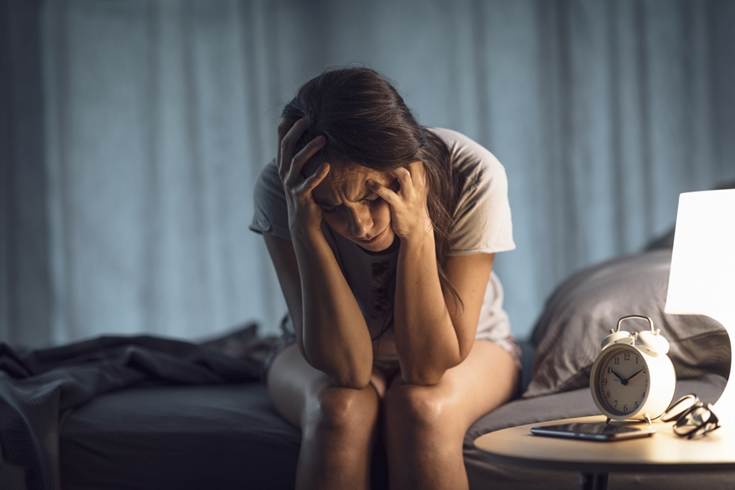
Your heart is pounding. Your stomach is in knots. Your shoulders feel locked in tension and exhaustion hangs over you, yet medical tests show nothing physically wrong. For millions of South Africans, anxiety doesn’t stay confined to the mind – it shows up powerfully in the body as psychosomatic symptoms, with very real physical sensations, that can include chest discomfort, headaches, digestive upset and chronic fatigue.
These mind body interactions are more than discomforting – left unmanaged, anxiety can significantly impair daily functioning, reduce productivity at work and erode overall quality of life, while increasing the risk of additional health complications.
“What starts as emotional strain can quietly become a broader health problem,” says Abdurahmaan Kenny, Product Manager: Branded Generics for Pharma Dynamics. “When stress becomes chronic, the nervous system remains on high alert. Over time, that constant ‘fight-or-flight’ response starts to wear the body down.”
Anxiety is a growing public health concern
Globally, an estimated 4.4 % of people currently live with an anxiety disorder – ranking among the most common mental health conditions worldwide. In South Africa, anxiety disorders are similarly prevalent. A national survey found that anxiety disorders were the most common class of lifetime mental health conditions, affecting around 15.8 % of adults. This is brought on by several factors, including poverty, unemployment, HIV/AIDS, a history of political and social upheaval, and trauma from exposure to violence and abuse. Women are also more likely than men to experience these conditions, consistent with global patterns. “One of the most common clinical forms is Generalised Anxiety Disorder (GAD) – a condition characterised by excessive, persistent worry occurring more days than not for at least six months, often accompanied by physical symptoms, such as muscle tension, sleep disturbance and irritability.”
How anxiety shows up in the body
Psychosomatic symptoms are physical signs of anxiety that are real and measurable. They can include:• Muscle tension, trembling and jaw clenching• Headaches or migraines• Upset stomach, nausea, diarrhoea or constipation• Fatigue, restlessness and sleep difficulty• Sweating, rapid heart rate or shortness of breath.
“These physical reactions aren’t imagined,” Kenny emphasises. “They’re the body’s stress response – short term protective mechanisms that become dysfunctional when anxiety is persistent.”
While understanding these physiological responses is important, managing anxiety effectively often requires a comprehensive approach. This may include psychotherapy and medical treatment options tailored to the individual’s needs.
Everyday tips to help manage anxiety
While clinical treatment should always be guided by a healthcare professional, individuals can adopt evidence‑based strategies that help reduce anxiety and its psychosomatic impact:Regular physical activity: Exercise reduces the physiological stress response and releases endorphins, which can improve mood and decrease muscle tension.

Mindfulness and breathing techniques: Practicing mindful breathing can calm the nervous system and reduce physical symptoms of anxiety.Limiting stimulants: Reducing caffeine and nicotine intake may help lower symptom severity.
Adequate sleep: Poor sleep can heighten anxiety.
Social support and routine: Maintaining social connections and predictable daily routines can build psychological resilience against stress.Professional guidance: Psychotherapy, particularly cognitive behavioural therapy, is proven effective and can be used alone or in combination with medication.
Breaking the silence around anxiety Despite its high prevalence, anxiety remains under‑treated globally. According to the World Health Organisation (WHO), only about one in four people with an anxiety disorder receive any treatment at all.
“Stigma and lack of awareness are major barriers,” Kenny notes. “But understanding that anxiety has both emotional and physical components is the first step toward seeking help. The more we normalise conversations about anxiety, the more likely people are to seek appropriate support.”
Brigget Taim
Soweto Sunrise News