




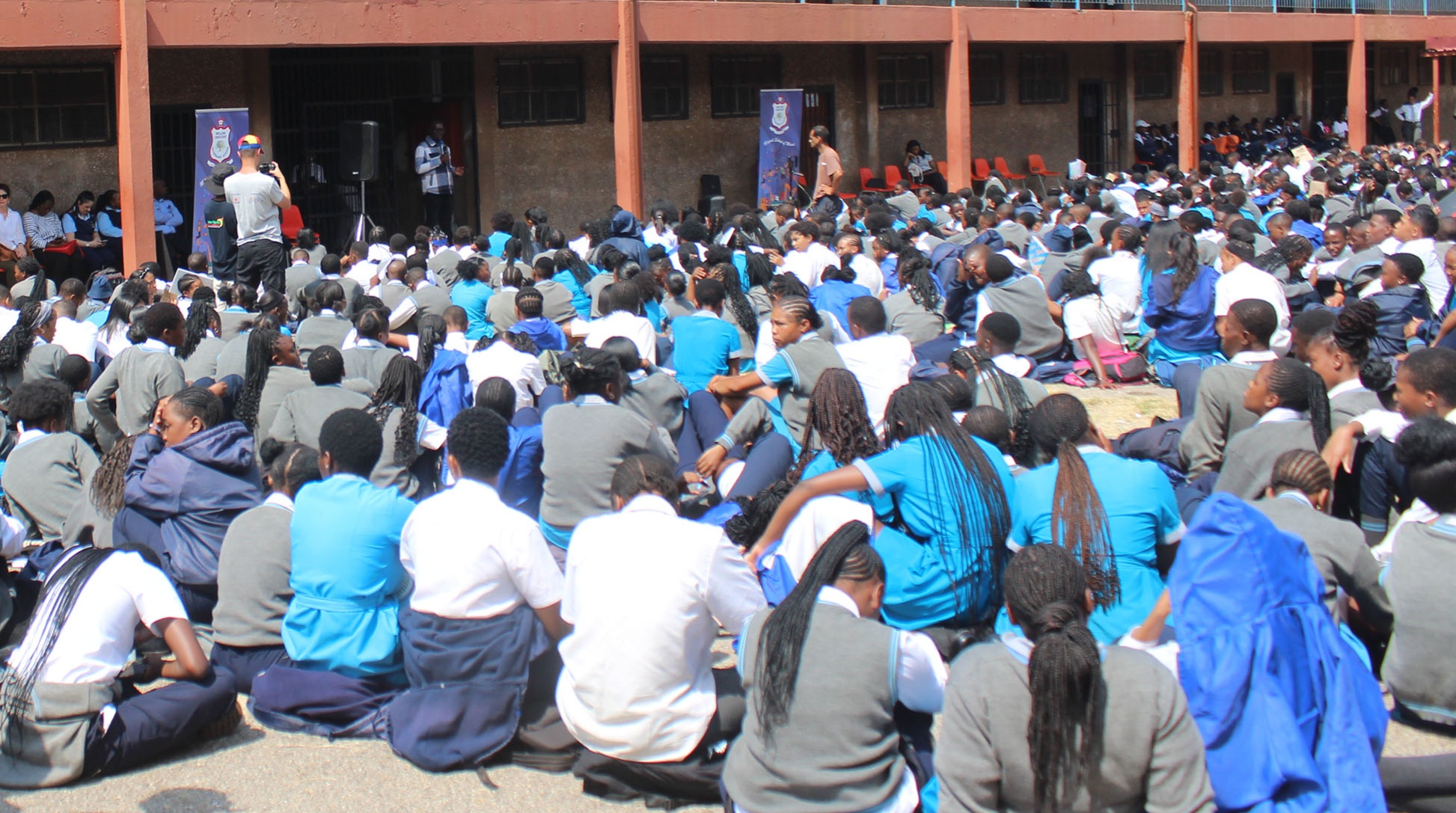
As the first school term of 2026 begins, there is a deeper responsibility that cannot be overlooked which is to deal with the safety and well-being of our children. Children are our future leaders, and they must always be protected, whether on and off the school grounds, be it on drugs, human trafficking, teenage pregnancy or road safety.
It is unfortunate and heartbreaking that the excitement of a new school year has been dampened by an accident that took the lives of 14 learners who were on their way to school around the Vaal in Vanderbijlpark.
As government we are concerned that far too many lives are lost on the road due to human error particularly reckless driving. There is a desperate need for all road users to play their part in reducing the number of accidents on the road especially for our learners.
One of the major risk learners face is during their commute to school, as roads become increasingly congested and traffic intensifies. Therefore, every one of us has the responsibility to drive in accordance with the rules of the road and by doing so reduce the number of accidents and deaths on the road.
To improve the safety of learners on the road, the Department of Transport launched a back-to-school road safety campaign in Rustenburg in the North West on 8 January 2026 with the aim of improving scholar transport safety. This initiative encourages behaviour change and is a call to action for all road users particularly scholar drivers to be more responsible on our roads.
We can all play our part by avoiding dangerous behaviours such as speeding or drinking and driving which can recklessly cost the lives of innocent children. Parents, transport operators and drivers are encouraged to prioritise road safety by ensuring that their children’s scholar transport is roadworthy and teach their children the basics of crossing roads safely.
With the phenomenon of human trafficking on the rise, parents and caregivers should also educate children about the dangers of interacting with strangers and encourage them to report suspicious behaviour to their teachers or law enforcement officials.
To deal with the safety of our learners, the Department of Basic Education is working closely with the South African Police Service (SAPS), to intensify efforts to enforce the Safe Schools Implementation Protocol. This includes increased police visibility and joint crime prevention initiatives, to cultivate safe learning environments that are free from violence, gangsterism and substance abuse.
It is deeply concerning that the average age for drug dependency in South Africa is 12 years old while 50% of teens consume alcohol. These alarming statistics from the South African Depression and Anxiety Group (SADAC) call for urgent intervention and collaborative efforts. Parents, teachers and community members must take a firm stand against underage drinking and substance use which robs young people of their childhood.
Resources such as the Department of Social Development Substance Abuse Helpline (0800 12 13 14) or SADAG’s WhatsApp Chat Line (087 163 2025), are useful tools for dealing with harmful behaviours and overcoming these social ills.We call on parents and guardians to have open and honest discussions with their children about the consequences of engaging in risky behaviours, including sexual activity. While sexual education is integrated into school curriculum through subjects such as Life Orientation, it remains vital for parents to educate their children about sexual health, contraceptive measures, consent, their rights, and the dangers of exploitative relationships.
Many vulnerable young girls have fallen victim to abusive or exploitative relationships, which not only disrupt their learning but also threaten their lives. Furthermore, a concerning trend has emerged with reports indicating that a significant number of adolescents have fallen pregnant whilst still navigating their childhood. Recent statistics reveal the extent of this issue, with over 130 teenage births reported on Christmas Day 2025 and an additional 160 teenage births on New Year’s Day across the country.
High rates of teenage pregnancy undermine education and health outcomes, with reports of learners as young as 10 falling pregnant which is an act that constitutes statutory rape. Parents and guardians are called upon to break the silence on sexual violence by encouraging the reporting and destigmatising access to sexual health services, thereby empowering young people to take charge of their futures.
Parents must regularly check in on their children’s emotional well-being, ensure they have nutritious meals, and encourage balance through sports and recreational activities. Schools, religious organisations and civil society must work together to build resilience and hope.
Finally, as we recommit to creating safe learning environments, we must remember that education is more than about academics, it is about nurturing future leaders in a society free from violence and despair. Government cannot do this alone. It requires a united front involving parents, teachers, communities and learners themselves. Together, we can make 2026 a year of safety, dignity and progress.
Terence Khala is the Acting Director: Communication and Research, Department of Basic Education
Soweto Sunrise News