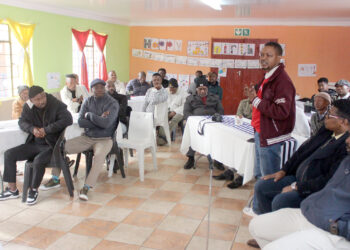









The Dignity in Every Home campaign is a national initiative promoting awareness of domestic workers’ rights among domestic workers and their employers.
The campaign is being run by Izwi Domestic Workers Alliance, the Socio-Economic Rights Institute of South Africa (SERI), the United Domestic Workers of South Africa (UDWOSA) and the South African Domestic Service and Allied Workers Union (SADSAWU).
Maggie Mthombeni, a former domestic worker, who is the Case Manager at Izwi Domestic Workers Alliance, explains that the Dignity in Every Home campaign aims to build awareness among domestic workers and their employers about the basic labour law requirements governing this type of work. “Both domestic workers and their employers need to know what the labour law requires,” she says. “When domestic workers know their rights and employers provide contracts, UIF / COIDA registration, and fair working conditions, it will be a healthier and happier relationship for both parties.”
The campaign also aims to lead workers to organisations, including the Department of Labour, CCMA and unions which can assist them when they are being mistreated. In June, Youth Month, we are reminded of the many challenges facing young people in South Africa including poverty, hunger and unemployment.
In homes across South Africa, domestic workers use their wages to support themselves and their children, many of whom are young people. The little money they earn, which at the minimum wage of R30.23 per hour comes to R5239.46 a month, has to stretch towards trying to meet their children’s basic needs including rent, food, sanitary products, transport, airtime and electricity.
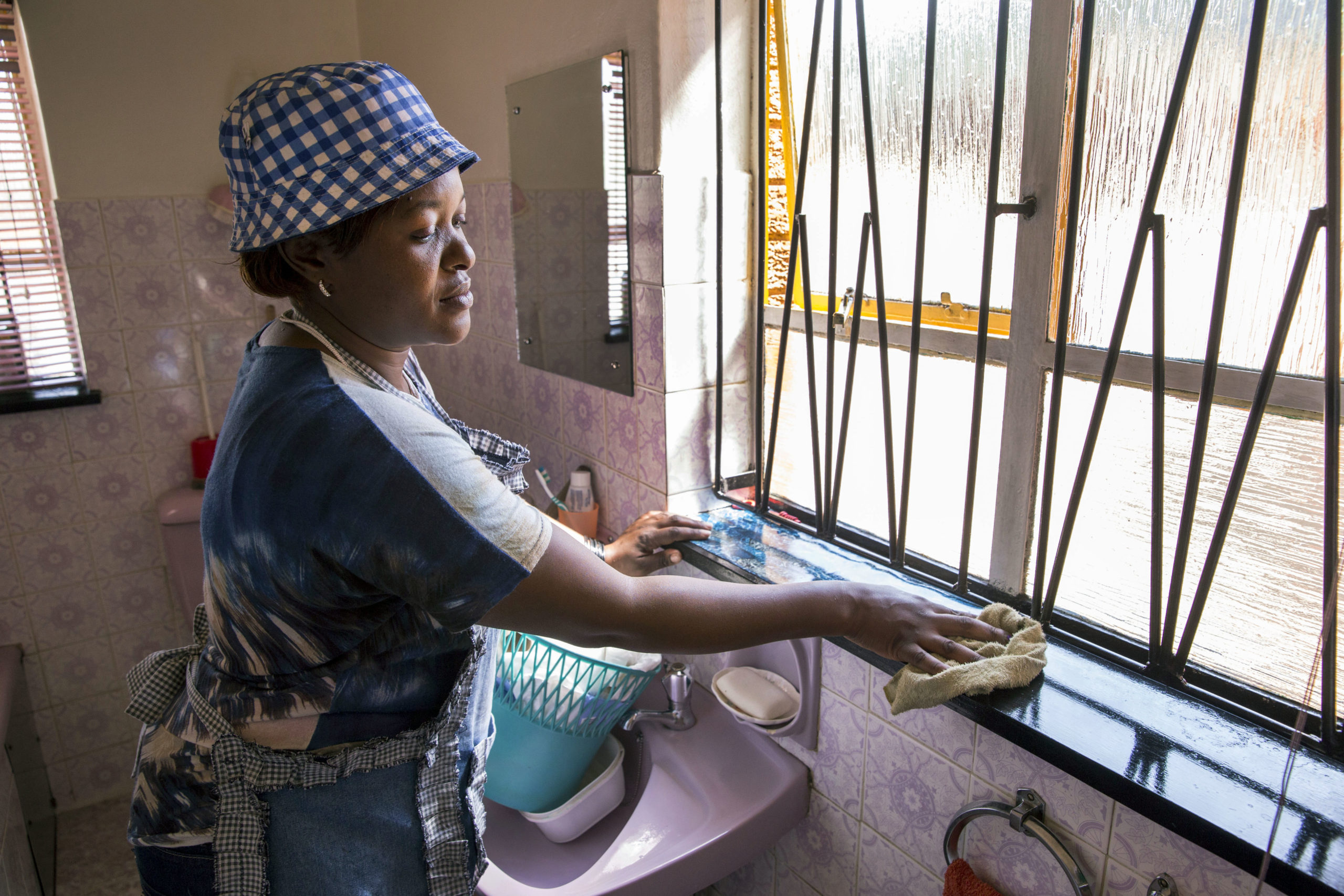
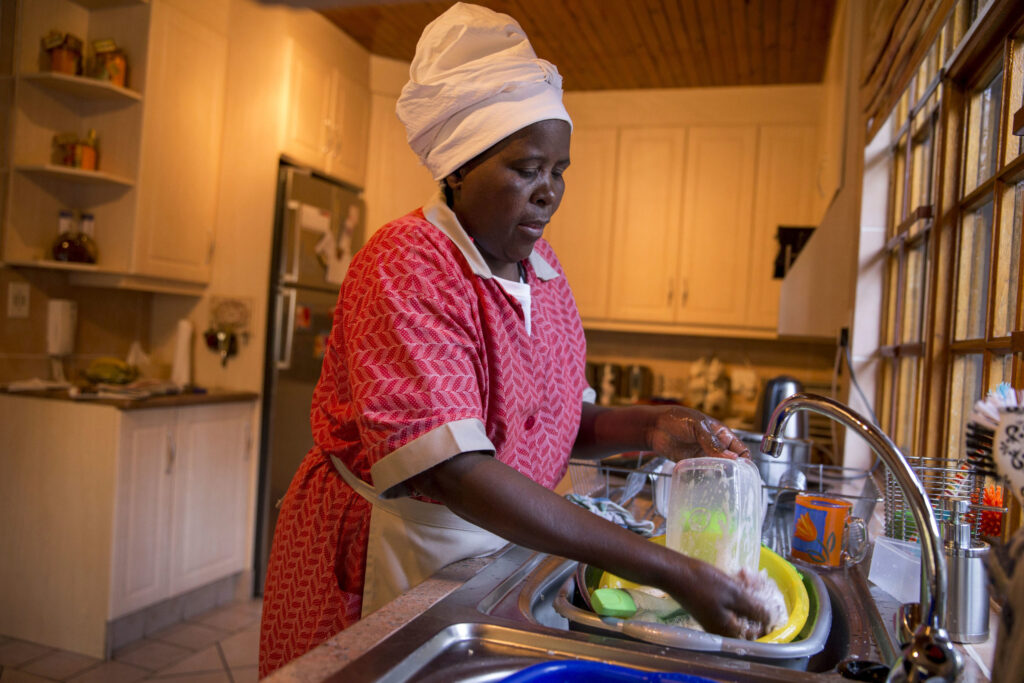
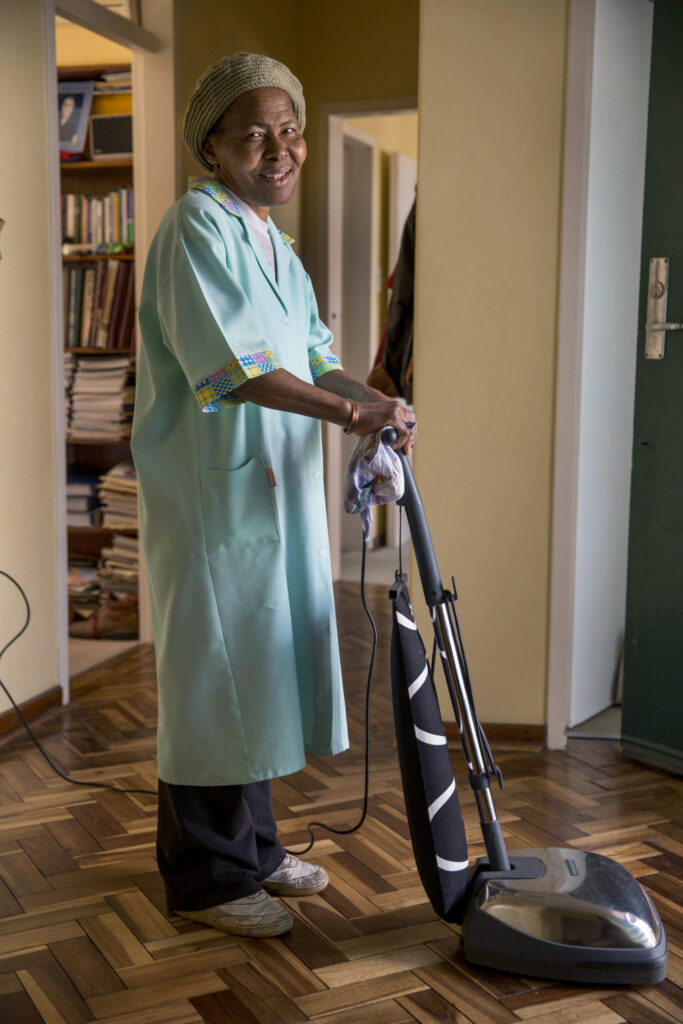
In carrying out their daily tasks of cleaning homes, tending gardens, washing and ironing laundry and caring for children and the elderly, it’s important for domestic workers to know their rights.
In addition to providing resources for employers of domestic workers to promote safe, fair, lawful and respectful working conditions, the Dignity in Every Home campaign also informs domestic workers about their rights in the workplace.
“Most domestic workers do not know the details of their rights under the law, and many are not enjoying basic labour protections,” says Mthombeni. “This includes minimum wage, overtime pay, paid leave, family leave, public holidays, required daily and weekly rest periods, safety in the workplace, respectful treatment, freedom from harassment and abuse, as well as registration with the Unemployment Insurance Fund and the workers compensation fund.”
In South Africa, the law grants a number of important rights to domestic workers. These rights apply to all domestic workers, whether they are in the country lawfully or not.
The law states that domestic workers have the right to the following:
Fair pay
As a domestic worker, you must be paid at least the national minimum wage of R30.23 for every hour worked.It is unlawful for an employer to make deductions to a domestic worker’s pay for food given to her while working or for breakages, for example of dishes or electrical appliances.
If a domestic worker agrees to work on a public holiday, then they are entitled to double the daily wage.
Pay Slips
Domestic workers must get a pay slip every month, which shows hours worked, wage calculations, deductions and leave balances. This pay slip is necessary if you ever need to claim from UIF.
A Written Contract
You must have a written agreement that shows what duties you will be expected to do, your working hours, rest periods, leave days, sick leave days, wages, when you will be paid and the benefits you will receive, etc.
A contract helps to reduce misunderstandings and protects you if there is a problem later.Before you sign the contract, you can ask a trusted friend or relative to go through it with you, so you understand everything.
Working Hours and Rest
Domestic workers can’t be made to work more than 45 hours a week.If you agree to overtime, it should not be more than 15 hours per week.You have the right to rest periods during the work day and at least 1.5 days off on the weekend.
Paid Leave
As a domestic worker, you have the right to paid annual, sick, family responsibility and maternity leave.
Safety and Respect
No one in the home you work in can shout at you, threaten or insult you, use racial or xenophobic language, physically abuse, harass or sexually abuse you, read your private WhatsApps, SMSes or letters or search your belongings.
Unemployment Insurance Fund and Compensation for Occupational Injuries and Diseases Act
If you work as a domestic worker for more than 24 hours a month, your employer must register you for the Unemployment Insurance Fund (UIF), make monthly contributions to it, and provide you with the UIF U19 form if you are dismissed or retrenched.
UIF helps you have some money if you lose your job, get sick or go on maternity leave.Your employers must also register you under the Compensation for Occupational Injuries and Diseases Act (COIDA). It provides you with money and free medical care if you are injured or contract diseases at work.
Fair Dismissal
You cannot be fired suddenly or without a good reason. If you are dismissed, your employer must give the correct notice period, follow fair disciplinary steps and pay all outstanding wages and leave.
Domestic workers who work less than 24 hours per month should also receive the minimum wage of R30.23 per hour, but their employer doesn’t have to give them the same number of annual leave days, provide them with a contract or pay slips or register them for UIF or COIDA as is necessary with domestic workers who work more than 24 hours a month.
Soweto Sunrise News