




As Johannesburg continues to grapple with ongoing water shortages and the strain of ageing infrastructure, World Water Day on 22 March brings into sharp focus the urgent need for community engagement and innovative solutions to safeguard the city’s water supply.
Climate variability, population growth, pollution and inconsistent monitoring are placing growing pressure on the city’s already fragile water systems. Linda Downsborough, Lecturer and Researcher at Emeris Ruimsig, explains that part of the solution lies in an often-overlooked resource, with ordinary citizens being equipped with the knowledge and tools to monitor and conserve water. Empowering communities to actively engage in water monitoring can help fill critical information gaps and support faster, more effective interventions.
“Equipping citizens with the knowledge and tools to collect water quality data can help bridge information gaps and inform faster interventions,” says Downsborough. “Our goal is to capacitate communities to recognise and respond to threats to water safety, transforming them from passive recipients of information into active participants in safeguarding their water resources.”
The scale of SA’s water crisis
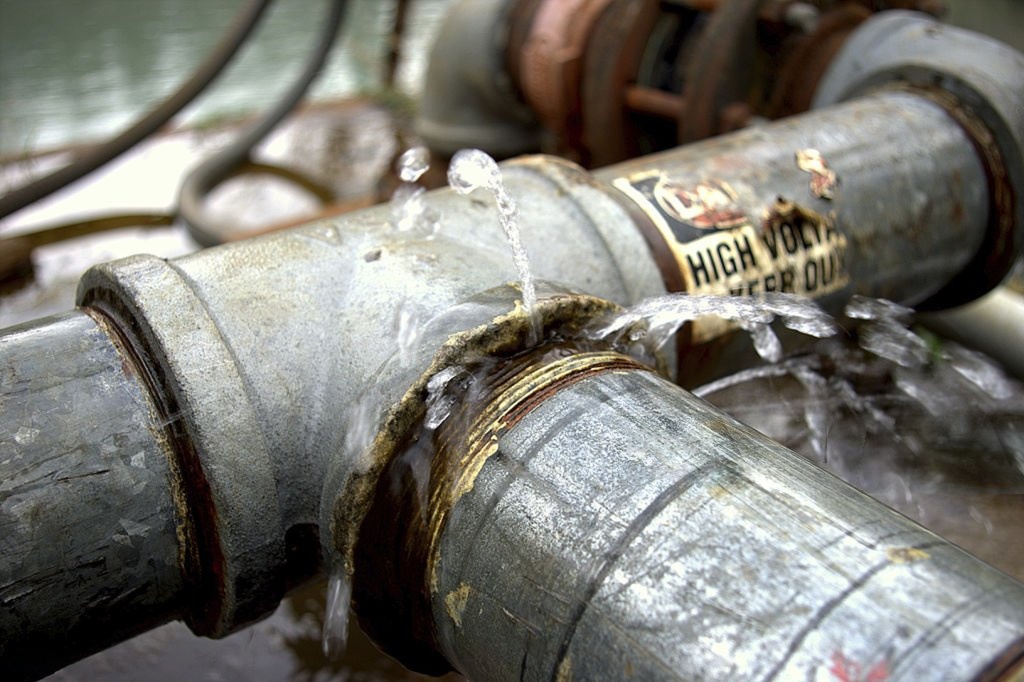
South Africa’s water challenges remain significant. According to the Department of Water and Sanitation, nearly half of the country’s treated water is lost as non-revenue water, including leaks and system inefficiencies. More than three million South Africans still lack basic access to water, and nearly one in five people do not have access to safely managed sanitation services.
What’s more, the divide between urban and rural areas is stark: 71.8% of urban residents have safely managed water services, compared with only 36.7% in rural areas, highlighting the need for improved monitoring, community engagement, and long-term resilience strategies.
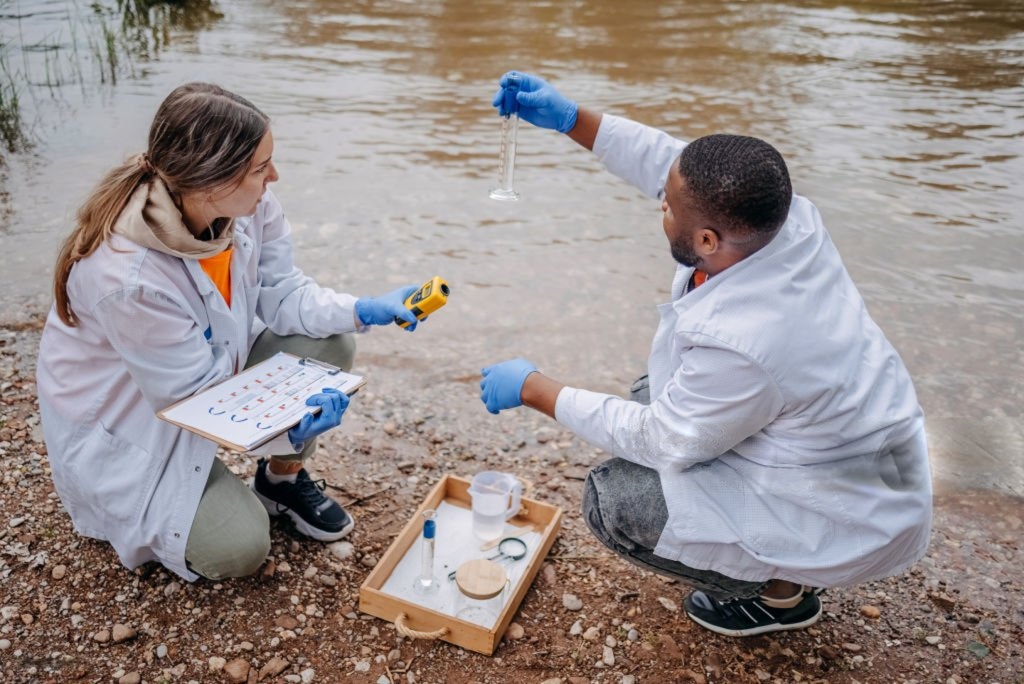
Vanessa Stippel, Water Management Lecturer at Emeris Ruimsig, highlights the institution’s Water Quality Monitoring Initiative, which gives students hands-on experience in assessing river health using tools such as miniSASS, a citizen science biomonitoring method.
“When participants are invested, they are more likely to share knowledge within their communities, creating a multiplier effect,” says Stippel. “This initiative not only enhances students’ understanding of environmental science but also fosters responsibility and advocacy for water conservation in their communities.”
Stippel adds that a centralised national database for citizen-collected water quality data is urgently needed. “Currently, much of the information gathered by communities is not integrated into official monitoring systems, slowing responses to emerging risks such as pollution incidents or waterborne disease outbreaks.”
Beyond monitoring, everyday citizens can play a meaningful role in protecting Johannesburg’s water. Simple actions such as reporting leaks, reducing water waste at home, participating in community education programmes and understanding local water quality can collectively make a measurable difference.
Thabo More
Soweto Sunrise News