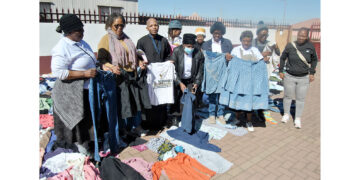





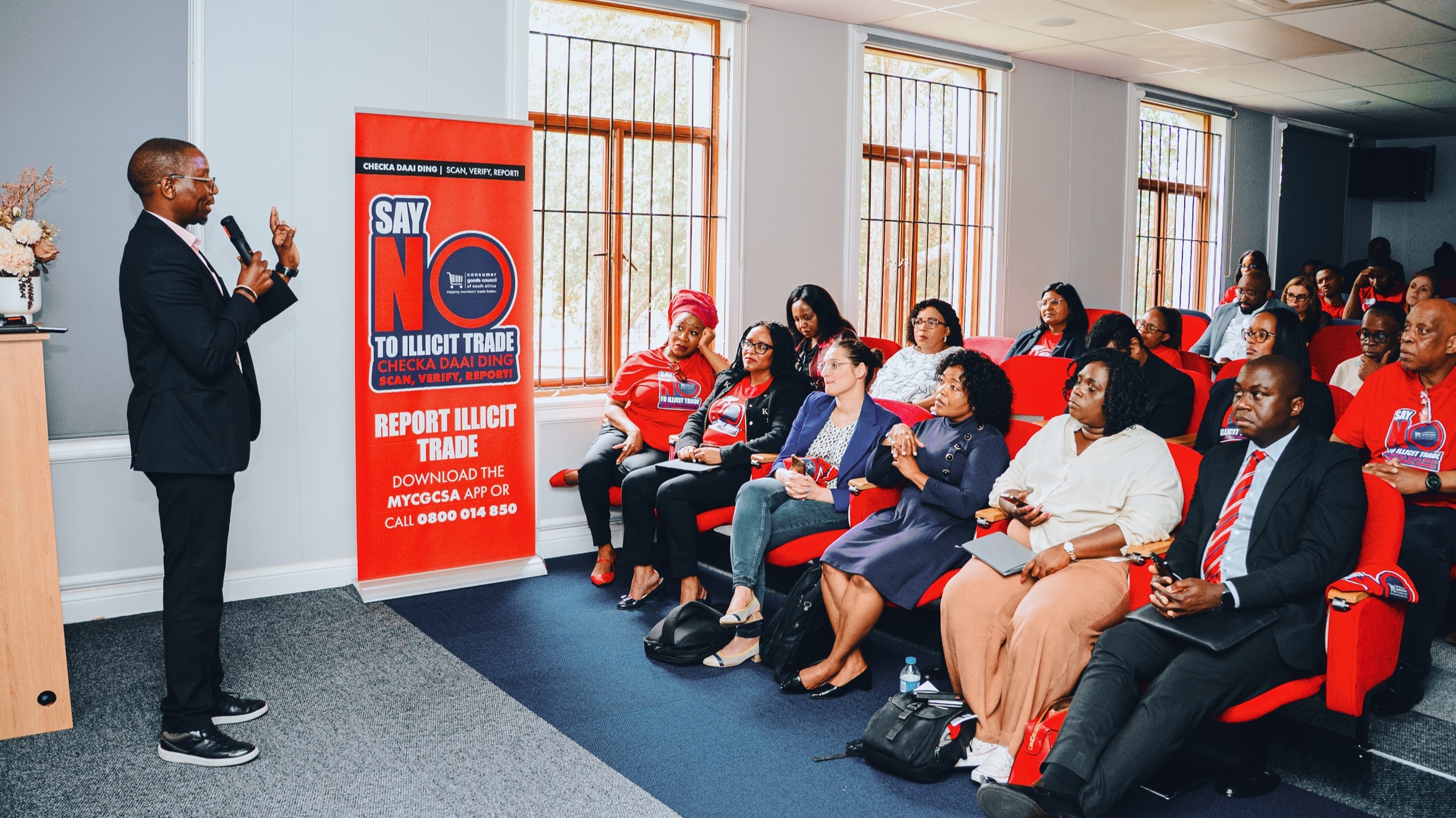
The growing crisis of illicit and counterfeit trade has led to the establishment of Illicit Economy Task Forces which will implement a coordinated and multi-industry approach to combat the illicit economy, focusing on the most affected product categories: liquor, tobacco, food, cosmetics and pharmaceuticals, clothing, and toys.Coordinated by the Consumer Goods Council of South Africa (CGCSA), the Illicit Economy Task Forces will:
• Coordinate cross-sector action to disrupt illicit trade networks
• Drive evidence-based policy advocacy to inform smarter regulation• Support enforcement efforts through strategic collaboration
• Foster public-private partnerships to reduce the proliferation of the illicit economy
• Promote behavioral change by encouraging consumers to reject counterfeit goods and support legitimate businesses
• Strengthen reporting mechanisms to empower citizens and businesses to expose illicit trade activities
Zinhle Tyikwe, CGCSA CEO, says illicit trade and the counterfeiting of goods is a mounting crisis in South Africa, costing the national fiscus billions in lost tax revenue, undermining the viability of legitimate businesses, and posing a growing threat to national security. “There is no doubt that illicit trade is one of the most significant threats facing South Africa and is also a threat to economic stability, investment, job creation and governance. This challenge now requires decisive, collective, and multi-faceted action to restore integrity to the Fast-Moving Consumer Goods (FMCG) sector and safeguard South Africa’s economic future,” Tyikwe says.
“It is against this background that the CGCSA, in strategic collaboration with close to 20 industry associations and sectoral bodies, has established Illicit Economy Task Forces. These Task Forces will implement a coordinated approach to dismantle illicit trade networks, focusing on the most affected product categories: liquor, tobacco, food, cosmetics and pharmaceuticals, clothing, and toys,” she says.
Chief Executive Officer of the Consumer Goods & Services Ombudsman (CGSO), Queen Munyai applauded the launch of the task forces, saying they complemented the work already being done by the CGSO to educate consumers about buying legitimate products. Hardin Ratshisusu Acting Deputy Commissioner & Acting Commissioner, National Consumer Commission (NCC) stressed the importance of multi-stakeholder collaboration to combat illicit trade given its financial impact on the economy; while Angela Russell, CEO of the Drinks Federation of South Africa, said the problem of illicit alcohol has worsened, and was costing the economy through lost excise duty and also threatening the future of the alcohol industry. Thabang Rampa, Manager: Regulatory Affairs at Milk SA spoke about work being done to address illicit dairy trade which includes the illegal selling of raw milk for direct consumption.
The launch of the Illicit Task Forces also coincides with the roll-out of the second phase of the Checka Daai Ding awareness campaign whose main focus is to transform the public from being passive consumers into becoming vigilant buyers who can identify and reject illicit and counterfeit products. It also aims to drive behavioral change and instilling a culture of vigilance. “This campaign, which was first launched in 2024, will encourage South Africans to actively report illicit goods and practices, thereby strengthening collective accountability and reducing the demand that sustains the illicit economy,” Tyikwe says.
CGCSA has also profiled the MyCGCSA App, enabling consumers to verify products purchased from retailers, online platforms, or informal markets. The App confirms product authenticity or raises suspicion, prompting users to report questionable goods on the CGCSA Crime Hotline 0800 014 856. In addition, CGCSA continues to collaborate with brand owners to adopt GS1 South Africa-approved barcodes, reinforcing product traceability and consumer trust.
Soweto Sunrise News